The Infrastructure Demands Of Large Property Developments
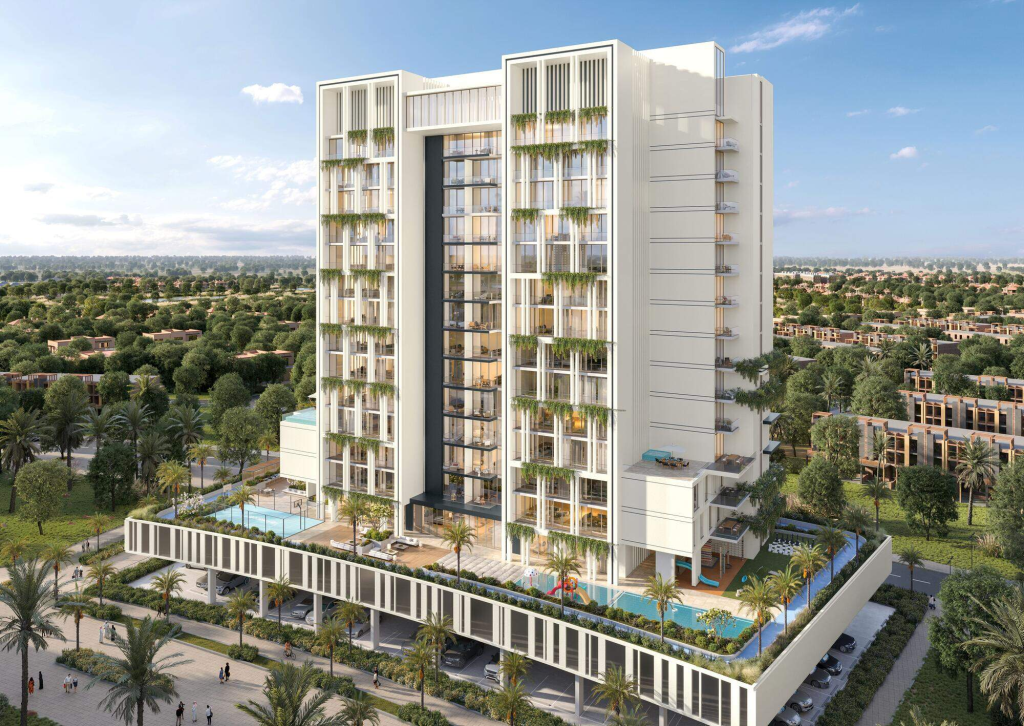
Large property projects place heavy demands on roads, power, water, drainage, transport, and communication networks. Developers must match these systems with the size and purpose of each project.
Strong infrastructure supports homes, offices, shops, schools, and public spaces while keeping daily activity smooth. In growing urban areas, property development Dubai projects also require infrastructure that supports rising populations and busy communities.
Roads and transport access
Large developments can add thousands of residents and workers to an area. Existing roads may struggle with the extra traffic, especially during peak hours. Developers may have to support new roads, wider streets, junction upgrades, parking areas, sidewalks, and public transport links. Good access also helps emergency vehicles, delivery services, and public transport move smoothly.
Water supply and drainage
A large population places heavy demand on water systems. Fresh water pipelines must have enough capacity for homes, offices, shops, and public facilities. Drainage systems also require strong capacity to manage rainwater and wastewater. Poor drainage can cause flooding, road damage, and sanitation issues. Developers must work closely with local authorities to provide reliable systems.
Electricity and energy systems
Power demand rises sharply inside large developments. Homes require electricity for lighting, cooling, appliances, and security systems, while commercial buildings can use even greater amounts. Developers may require new substations, power lines, backup systems, and energy efficient equipment. Stable electricity supports daily life and keeps businesses operating without frequent interruptions.
Waste management facilities
Large communities produce a significant amount of household and commercial waste. Waste collection points, access routes for collection vehicles, recycling areas, and disposal services should form part of the infrastructure plan. A well organised waste system keeps shared spaces cleaner and reduces pressure on local services.
Communication networks
Modern properties rely heavily on fast and reliable communication. Internet connections, mobile coverage, fiber networks, and digital security systems are now standard features in many developments. Developers may work with communication providers to install suitable networks before residents and businesses move into the area.
Public services and community facilities
Schools, clinics, parks, fire stations, and community centers also matter in large developments. Population growth can place pressure on nearby public facilities, so additional services may be required. These facilities support daily living and help a development function as a complete community.